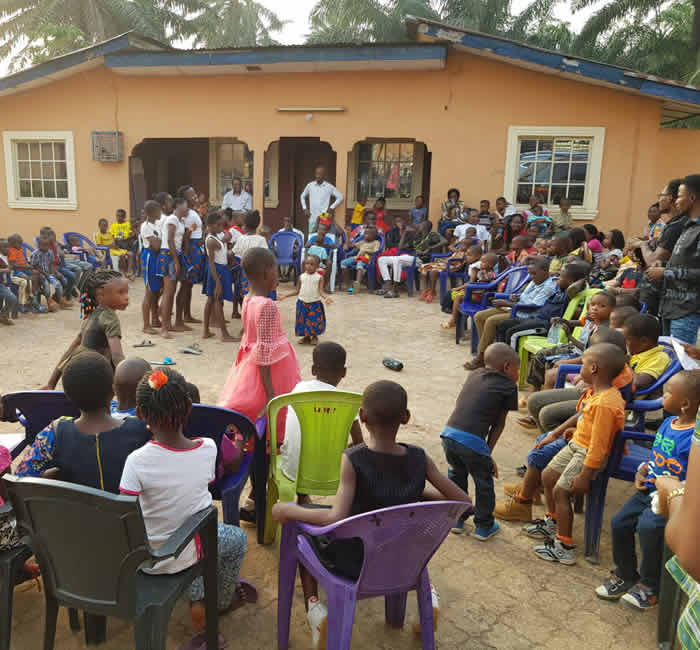
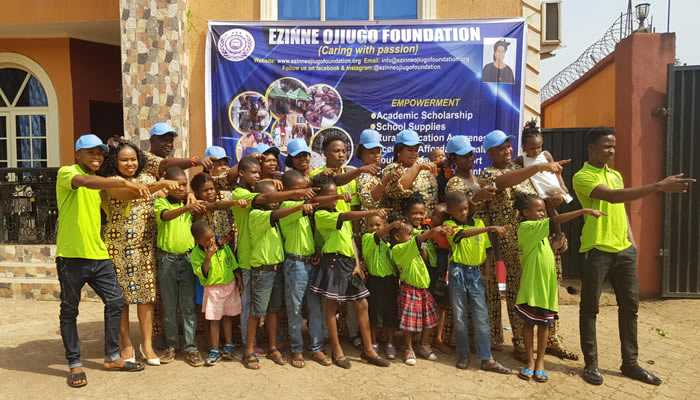
COMMUNITY PROJECT: The Foundation understands that Communities are dynamic and adapts to changes as needs arise. Among our prospective projects are: Drinking boreholes, Affordable farming equipment, Civic and family centers and meeting spaces.
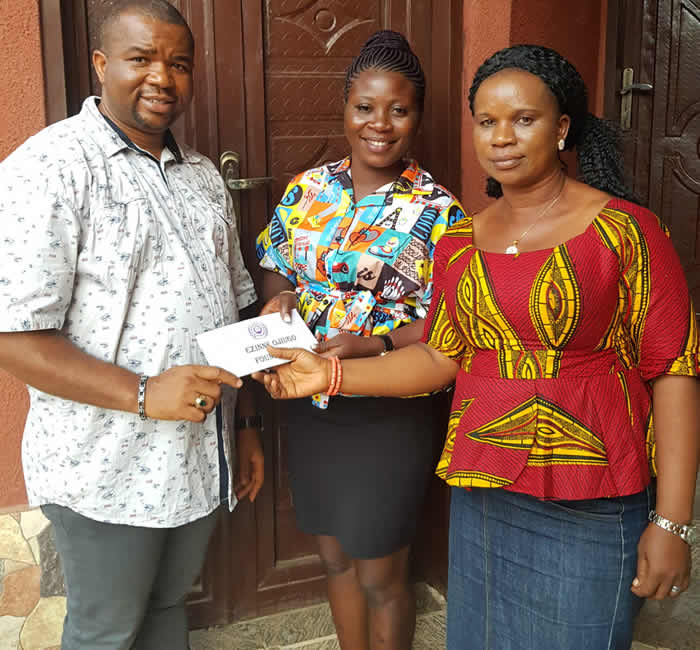
FINANCIAL ASSISTANCE: The Foundation will provide in the form of grants, rebate, subsidy and scholarships towards education in any Nigerian Higher Institution. Details are in the policy for scholarships.
EMPLOYMENT: The Foundations makes great effort in gathering and disseminating information that gives access to employment based on the various fields of studies whether in the government or private sector.
GENDER EQUALITY: Joins other well-meaning foundations to promote equality between women and men with respect to their treatment, opportunities and economic and social achievements in the workplace and labor organization. It can be achieved when women and men enjoys same rights and opportunities across all sectors of the society. Gender equality is both a human rights principle and a precondition for sustainable people-centered development (adapted from UN women)
RURAL EDUCATIONAL AWARENESS: The Foundation knows that education is an important tool to bringing long-term social positive change. Spreading awareness about education among people is most challenging due to poverty illiteracy, non-availability of quality education and social practices. We address the issues through providing incentive to parents for enrolling their children and establishing school nearby.
ACCESS TO EDUCATION: Education is fundamental to development and growth. The human mind makes possible all developments, from health advances and agricultural innovations to efficient public administration and private sector growth for countries to reap these benefits fully, they need to unleash the potential of human mind. And there is no better tool for doing so than education. The first foundation skill acquired early in childhood makes possible a lifetime of learning. The traditional view of education as starting in primary school takes up the challenge too late. The science of brain development shows that learning needs to be encouraged early and often, both inside and outside of the formal schooling system.
ACCESS TO HEALTHCARE: Is critical to good health, yet rural residents face a variety of access barriers. ACCESS TO HEALTHCARE IS IMPORTANT FOR: 1- overall physical, social, and mental health status 2- prevention of disease 3- detection and treatment of illness 4- quality of life 5- preventable death 6- Increase life expectancy.
YOUTH EMPOWERMENT: Is an attitudinal, structural and cultural process whereby young people gain the ability, authority and agency to make decisions and implement changes in their own lives and the lives of other people, including youth and adults. Youth empowerment is often addressed as a gateway to intergenerational equity, civil engagement and democracy building. Many local, state, provincial, regional, national, and international government agencies and nonprofit community-based organization provide programs centered on youth empowerment activities.